
Description
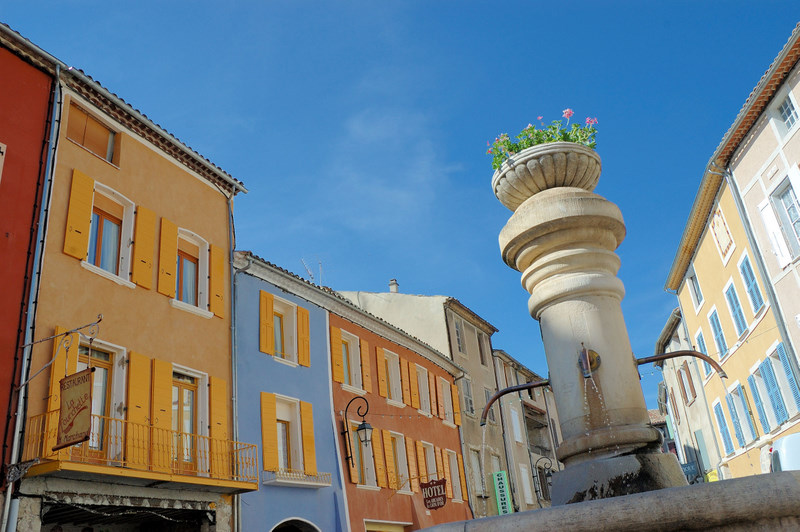
Buis-les-Baronnies is the former medieval capital of the Barons of Mévouillon, with its charming little streets. Natural gorges and breathtaking cliffs punctuate the wild landscape, providing an exceptional playground for nature lovers.
The fief of the barons
The murmurings of old stones tell the story of Buis, capital of the powerful Mévouillon seigneury in the Middle Ages. A flourishing trading town in the Dauphiné, the ramparts, the ancient cloister and the arcaded square bear witness to this era of abundance. Follow the Canal du Moulin through its narrow streets, and you'll undoubtedly end up in the Ubrieux gorges. The ruins of the barons' ancient watchtower still overlook the Ubrieux cliffs.
Stroll through the Ouvèze valley to find our beautiful Provencal hamlets. Romanesque chapels, fountains and wash-houses are the jewels of the perched villages of the Pays de Buis les Baronnies. Take the time to notice the more discreet calades, restanques and ancient stone jas, preserving the traces of a unique know-how in built heritage.
Lime capital
Buis-les-Baronnies was named linden capital in the last century thanks to its traditional, family-run linden harvesting. Its herb square and lime festival in July are the legacy of a time when the price of lime from all over France was set in Buis-les-Baronnies, at a fair attended by the biggest buyers. The Baronnies lime tree still enjoys an excellent reputation, as do the other aromatic plants grown in its valleys: thyme, rosemary, savory, lemon balm and, of course, lavender. Let your sense of smell carry you along the trails, as it's not uncommon to come across these fragrant plants in the wild. The producers and craftsmen of the Pays de Buis-les-Baronnies know the secrets of plants like no-one else, and whether used in cosmetics or on the plate, these soothing flowers of Provence will surprise you.
A unique natural heritage
In the heart of unspoilt nature, between olive and apricot groves, try your hand at the favorite playground of sports enthusiasts. Via ferrata, climbing, paragliding, hiking, trail running or mountain biking... so many possibilities that make the Pays de Buis-les-Baronnies a paradise for thrills and spills.
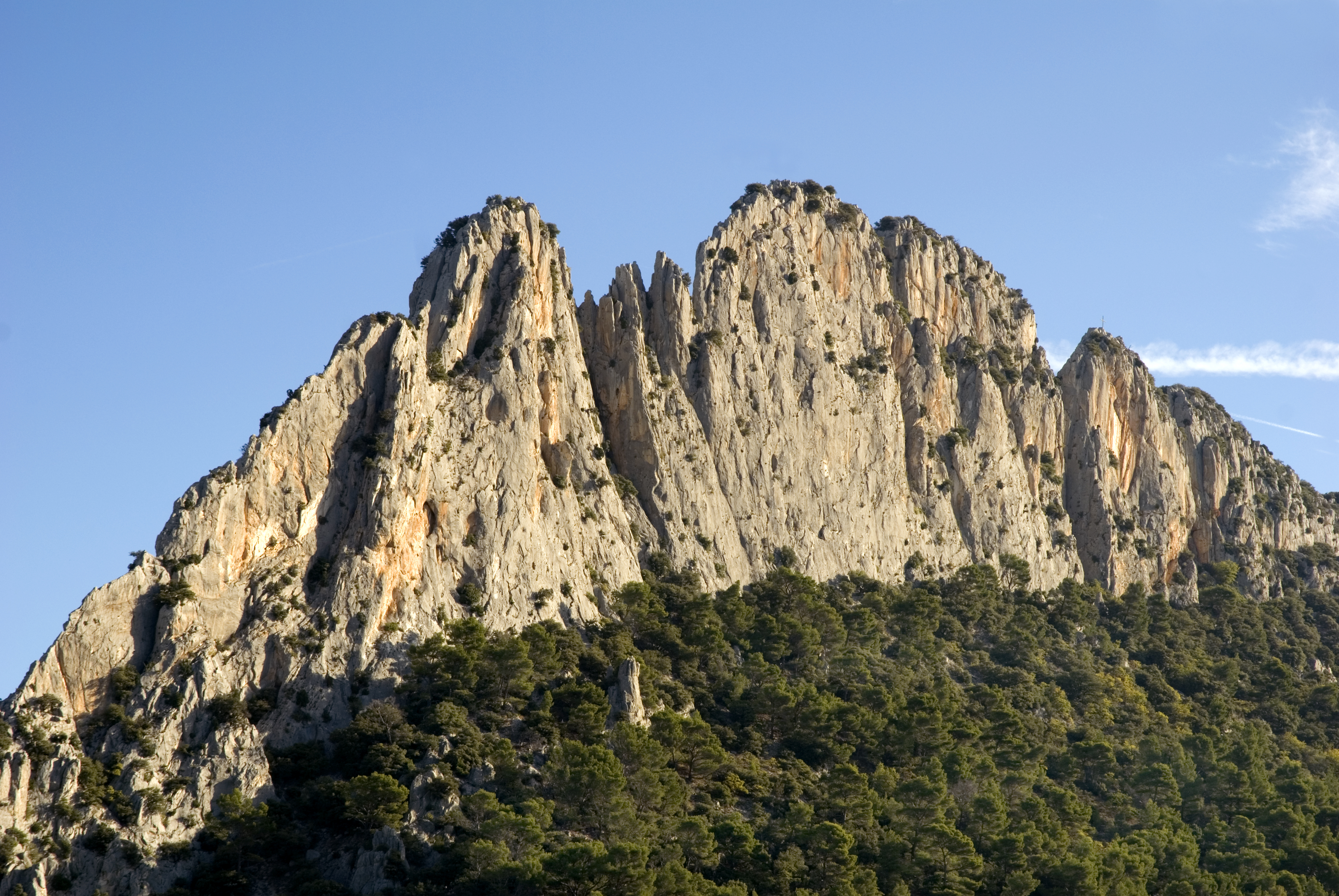
The Saint Julien rock, a true geological curiosity, overlooks the valley from its 100-metre vertical limestone cliffs. Take on the challenge of one of Europe's longest via routes, or the internationally renowned climbing sites.
To discover the village :
Start from Place du Quinconce, the central square adjacent to the large riverside parking lot.
1. Join Place des Arcades XIVe via a downhill lane at the corner of Café des Glycines and Etoile.
2.. Join Place aux Herbes via Grand Rue, at the end of Place des Arcades.
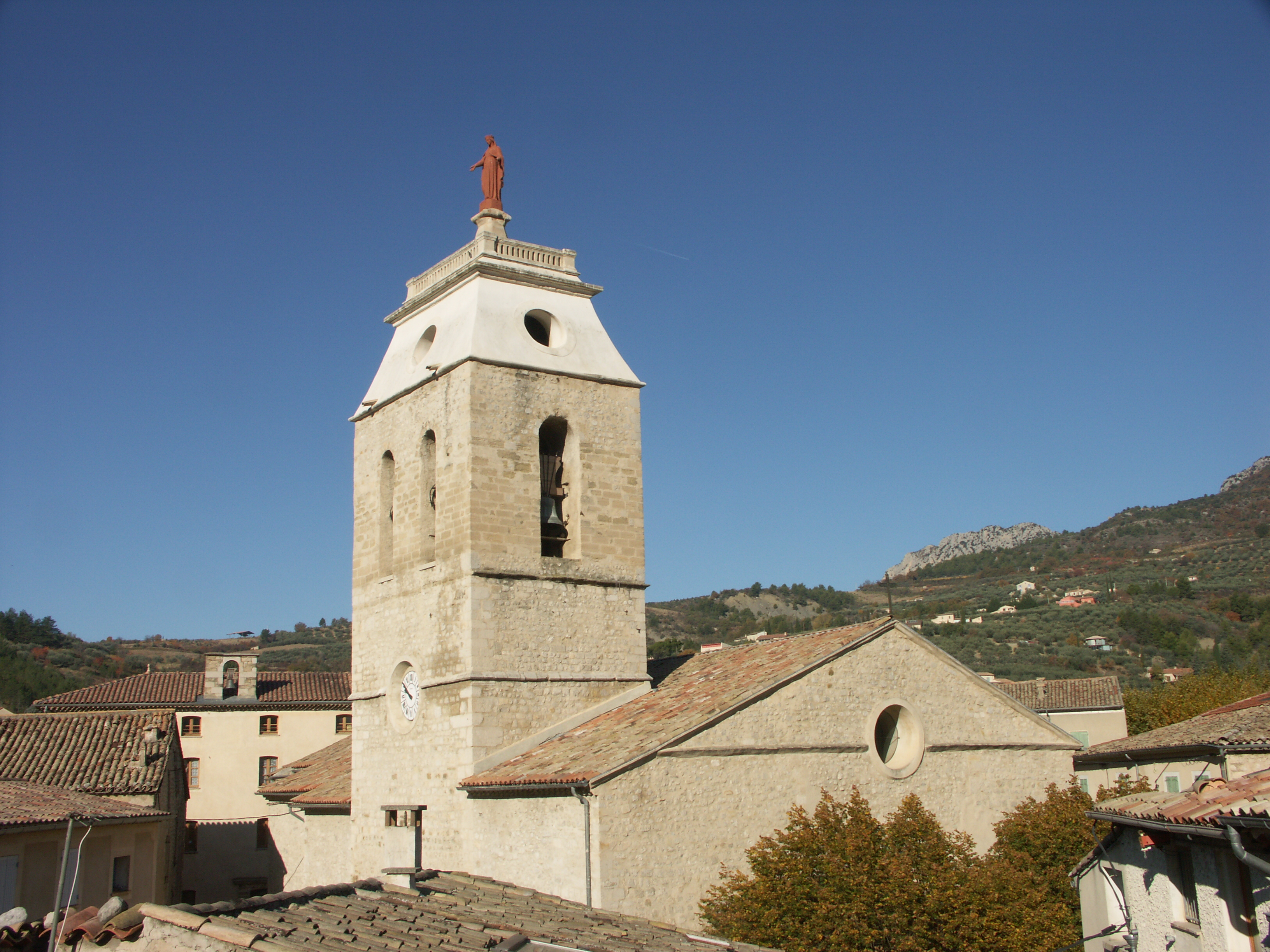
3. Turn right towards Notre Dame de Nazareth church, rue du Puits Communal puit Rue du Planet. Stop in front of the home of Buxois archaeologists, the Catelan brothers.
From the church square, turn right into rue de la Cour du Roi Dauphin to see the 17th-century Dominican cloister.
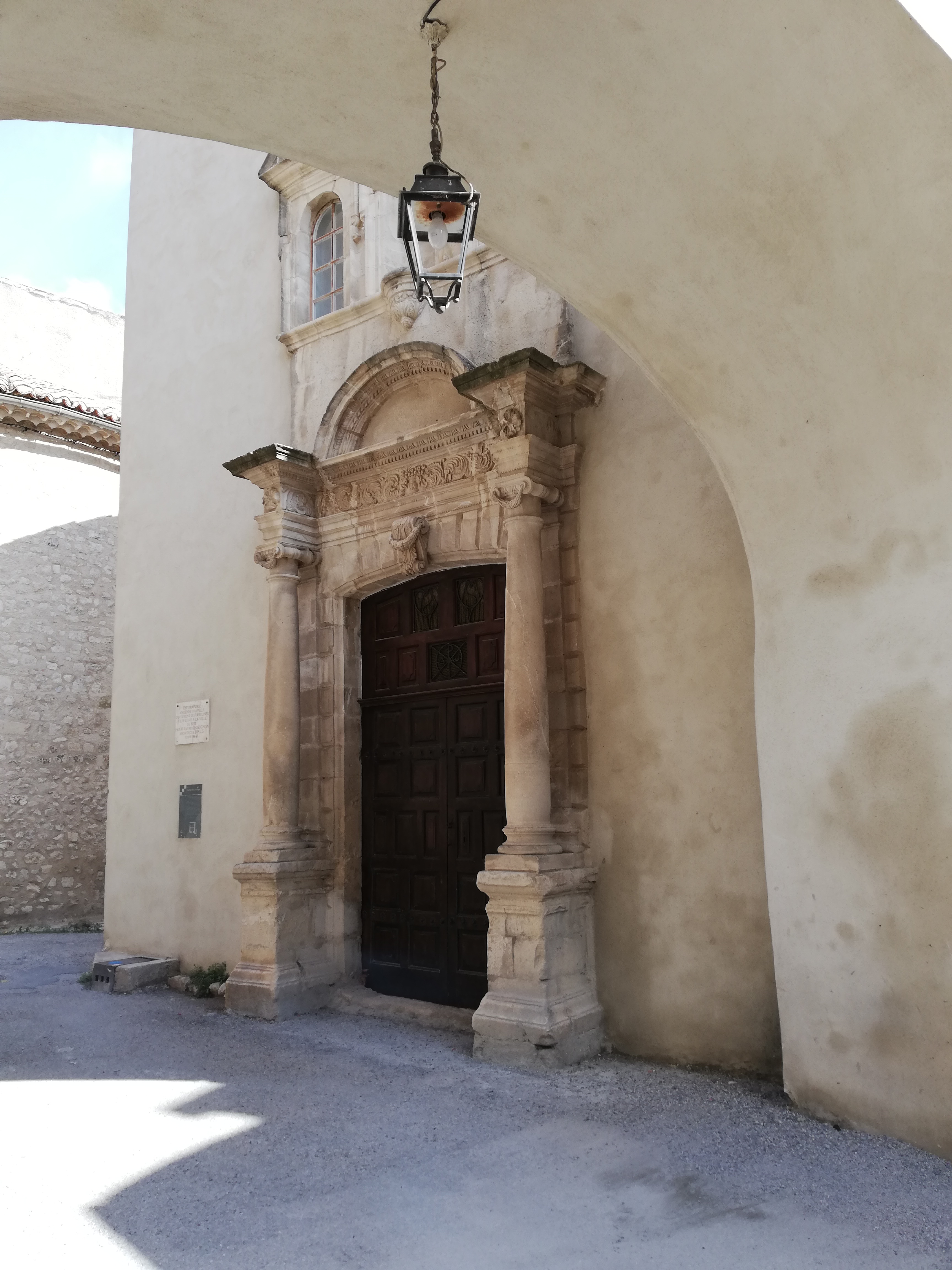
4. Retrace your steps along rue des Quiastres around the church, up towards the chevet, then left on rue du Paty, where you'll see the listed 17th-century doorway of the former Ursuline convent.
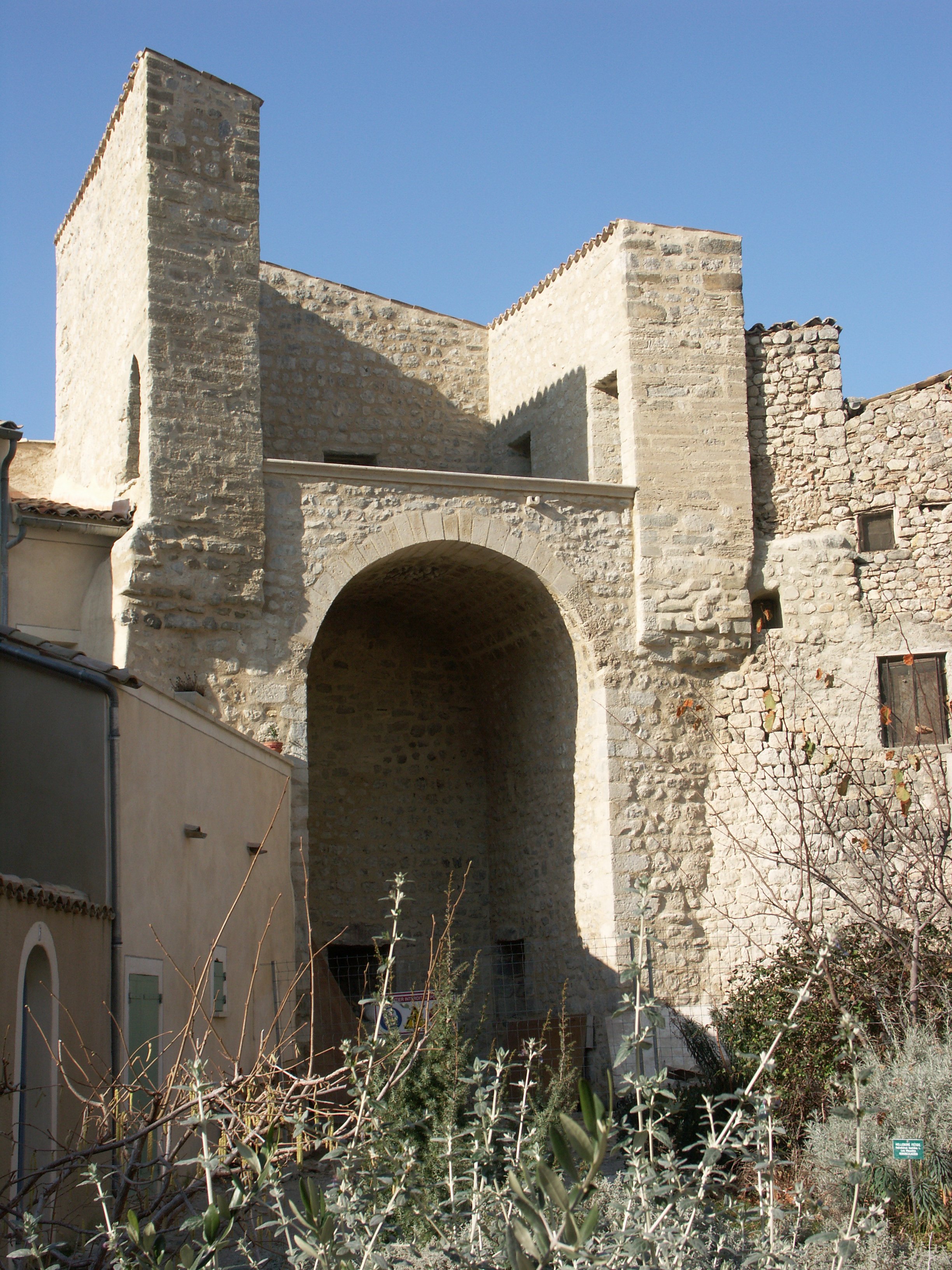
5. Continue to the impasse de la Nière, with the Safre tower, the 12th and then 14th-century ramparts and the small fragrant garden.
Also worth seeing
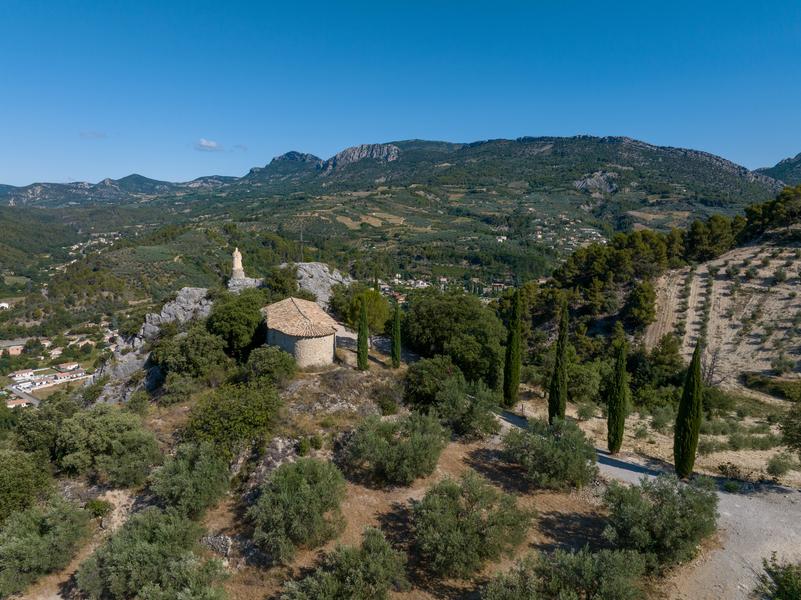
Saint-Trophime chapel
Canal du Moulin
Ubrieux gorges
Saint Julien rock
Accès
- 26170 Buis-les-Baronnies
Further information
-
Spoken languages
French
-
And especially
Family special
Contact
Buis-les-Baronnies
26170 Buis-les-Baronnies


Updated on 03/09/2026
Through Office de Tourisme des Baronnies en Drôme Provençale